The Loire Valley Experience: Inside France's Luxurious Garden of Châteaux
andy_ett ·
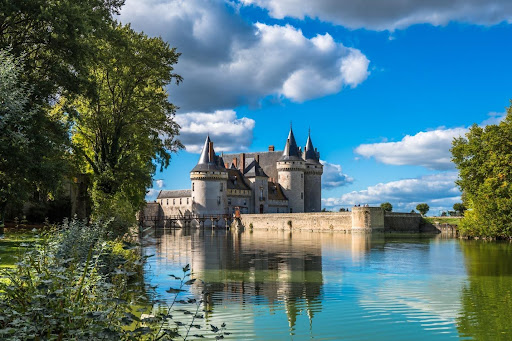 The Loire Valley, often referred to as the "Garden of France," is a region celebrated not only for its stunning landscapes and fertile vineyards but also for its remarkable collection of castles, known as châteaux. These castles, which number more than 300, are a testament to the region's rich history, architectural grandeur, and the cultural renaissance that flourished in France from the 15th to the 17th centuries. The Loire Valley's châteaux, ranging from fortified medieval strongholds to opulent Renaissance palaces, provide a fascinating window into the past and are among the most visited attractions in France. Exploring the vineyards of Loire Valley and discovering the best vineyards in Loire Valley are also integral parts of the Loire Valley experience, which includes various Loire Valley festivals and activities. For visitors seeking unique experiences, there are many hidden gems in the Loire Valley and things to do in Loire Valley that offer a deeper dive into the region's charm.
The Historical Context of the Loire Valley Castles
The Loire Valley, stretching from the town of Sully-sur-Loire to Chalonnes, became a strategic and culturally significant area during the Middle Ages and the Renaissance. The region's fertile lands and favorable climate made it an ideal place for settlement, agriculture, and later, the establishment of royal and noble estates.
The construction of many of the Loire Valley castles began during the medieval period, when France was embroiled in the Hundred Years' War (1337–1453) with England. The Loire River served as a natural defense line, and several castles were built or reinforced to protect the French territories. These early châteaux were often fortified with thick walls, moats, and drawbridges, serving both as residences and military strongholds. This era marked significant developments in Loire Valley history and is a crucial part of understanding the historical sites in the Loire Valley.
However, as the war ended and France entered a period of relative peace, the Loire Valley became the favored residence of the French kings and nobility. The region's proximity to Paris, combined with its natural beauty, made it an ideal location for the construction of lavish residences that reflected the wealth and power of their owners. The Renaissance, which brought a new focus on art, culture, and architecture, had a profound impact on the design of these castles. Influenced by Italian architecture, many of the Loire Valley châteaux were transformed from medieval fortresses into magnificent palaces adorned with intricate decorations, expansive gardens, and innovative designs. These gardens include some of the most beautiful Loire Valley gardens and parks.
The Architectural Splendor of the Loire Valley Châteaux
Each château in the Loire Valley has its own unique history and architectural style, reflecting the tastes and ambitions of its builders. Some of the most famous and significant châteaux in the region include:
The Loire Valley, often referred to as the "Garden of France," is a region celebrated not only for its stunning landscapes and fertile vineyards but also for its remarkable collection of castles, known as châteaux. These castles, which number more than 300, are a testament to the region's rich history, architectural grandeur, and the cultural renaissance that flourished in France from the 15th to the 17th centuries. The Loire Valley's châteaux, ranging from fortified medieval strongholds to opulent Renaissance palaces, provide a fascinating window into the past and are among the most visited attractions in France. Exploring the vineyards of Loire Valley and discovering the best vineyards in Loire Valley are also integral parts of the Loire Valley experience, which includes various Loire Valley festivals and activities. For visitors seeking unique experiences, there are many hidden gems in the Loire Valley and things to do in Loire Valley that offer a deeper dive into the region's charm.
The Historical Context of the Loire Valley Castles
The Loire Valley, stretching from the town of Sully-sur-Loire to Chalonnes, became a strategic and culturally significant area during the Middle Ages and the Renaissance. The region's fertile lands and favorable climate made it an ideal place for settlement, agriculture, and later, the establishment of royal and noble estates.
The construction of many of the Loire Valley castles began during the medieval period, when France was embroiled in the Hundred Years' War (1337–1453) with England. The Loire River served as a natural defense line, and several castles were built or reinforced to protect the French territories. These early châteaux were often fortified with thick walls, moats, and drawbridges, serving both as residences and military strongholds. This era marked significant developments in Loire Valley history and is a crucial part of understanding the historical sites in the Loire Valley.
However, as the war ended and France entered a period of relative peace, the Loire Valley became the favored residence of the French kings and nobility. The region's proximity to Paris, combined with its natural beauty, made it an ideal location for the construction of lavish residences that reflected the wealth and power of their owners. The Renaissance, which brought a new focus on art, culture, and architecture, had a profound impact on the design of these castles. Influenced by Italian architecture, many of the Loire Valley châteaux were transformed from medieval fortresses into magnificent palaces adorned with intricate decorations, expansive gardens, and innovative designs. These gardens include some of the most beautiful Loire Valley gardens and parks.
The Architectural Splendor of the Loire Valley Châteaux
Each château in the Loire Valley has its own unique history and architectural style, reflecting the tastes and ambitions of its builders. Some of the most famous and significant châteaux in the region include:
- Château de Chambord: Perhaps the most iconic of all the Loire Valley castles, Château de Chambord is a masterpiece of the French Renaissance. Commissioned by King Francis I in 1519 as a hunting lodge, Chambord is known for its distinctive French architecture, which blends traditional medieval forms with classical Renaissance structures. The château’s most famous feature is its grand double-helix staircase, which is believed to have been designed by Leonardo da Vinci, who spent the last years of his life in the Loire Valley. With its elaborate roofline adorned with chimneys, turrets, and dormer windows, Chambord stands as a symbol of royal power and artistic innovation. For those interested in the best castles to visit in the Loire Valley, Chambord is a must-see.
- Château de Chenonceau: Often called "The Ladies' Château" due to the influential women who shaped its history, Château de Chenonceau is one of the most elegant and romantic castles in the Loire Valley. Built on the foundations of a medieval mill, the château spans the River Cher, creating a stunning reflection in the water. Chenonceau's history is closely linked to powerful women, including Diane de Poitiers, the mistress of King Henry II, and Catherine de' Medici, Henry's wife, who transformed the château into a center of courtly life. The château's exquisite gardens, inspired by Italian design, and its richly decorated interiors make it a prime example of Renaissance luxury. This château is renowned for its History and Architecture of Château de Chenonceau.
- Château d'Amboise: Overlooking the Loire River, Château d'Amboise was once the residence of the French royal court. This castle played a significant role in the history of France, serving as the childhood home of several kings, including Charles VIII and Francis I. The château is also closely associated with Leonardo da Vinci, who spent his final years nearby and was buried in the château’s chapel. The architectural style of Amboise reflects the transition from the medieval to the Renaissance period, with its fortified towers and elegant living quarters. The château offers panoramic views of the Loire Valley and is a symbol of the region's historical importance. For those visiting Château d'Amboise with family, it offers numerous family-friendly activities.
- Château de Villandry: Known for its spectacular gardens, Château de Villandry is one of the last great Renaissance châteaux built in the Loire Valley. Completed in 1536 by Jean Le Breton, a finance minister under King Francis I, Villandry is celebrated not only for its harmonious architecture but also for its meticulously designed gardens. The château's gardens, which include ornamental flower beds, vegetable gardens, and water features, are among the most beautiful in France and are a perfect example of Renaissance landscape design. The gardens are divided into sections, each with its own theme, such as love, music, and herbs, creating a living work of art that changes with the seasons. Villandry is widely regarded as the best garden to visit in France.
- Château de Blois: A royal residence for several French kings, Château de Blois is a microcosm of the architectural evolution of the Loire Valley châteaux. The château comprises four wings, each representing a different period of French architecture: Gothic, Flamboyant, Renaissance, and Classical. The most famous feature of Château de Blois is its grand staircase, located in the François I wing, which exemplifies the Renaissance style. The château has been the site of many significant historical events, including the assassination of the Duke of Guise during the Wars of Religion. Today, it houses a museum and offers insights into the political and cultural life of the French court. For those exploring Loire Valley attractions, Blois is a must-visit.